Everything You Actually Need to Know
Thailand keeps showing up on every retirement abroad list, and it deserves to. But most of what you read online either scratches the surface or was written by someone who spent two weeks in Phuket and considered themselves an expert.
This guide is different. I lived in Southeast Asia for eight years. I’m moving to Chiang Mai in July 2026. I know what Thailand actually costs to live in, not what the tourism brochures say it costs. I know which visas work for retirees and which ones are more trouble than they’re worth. I know where expats actually live and what they pay.
Here is everything you need to know.
Why Thailand?
Before we get into the numbers, it’s worth understanding why Thailand consistently comes out on top for Western retirees considering Southeast Asia.
The cost of living is genuinely transformative. A comfortable Western-standard life in Chiang Mai runs $1,500-2,500 per month all in for a couple. That same lifestyle in most American cities costs $5,000-7,000.
The infrastructure is excellent. Fast internet, modern hospitals, international supermarkets, seamless banking. You are not roughing it.
The food is extraordinary and cheap. A restaurant meal costs $2-5. You will eat better here than you ever did at home.
The climate suits most people. Hot and sunny most of the year with a cooler dry season from November through February that is genuinely perfect.
The expat community is massive and welcoming. Chiang Mai alone has tens of thousands of long-term foreign residents. You will not struggle to find your people.
The Thai people are genuinely warm. Thailand's reputation for friendliness is not a tourist cliche. It is real.
Real Cost of Living in Thailand
Let’s be specific. These numbers are based on real expat living in Chiang Mai, which is the most popular base for long-term residents and offers the best value in the country.

Chiang Mai Monthly Budget Breakdown
| Expense | Monthly Cost (USD) |
|---|---|
| Rent (1 bed condo, good area) | $400-700 |
| Utilities (electric, water, internet) | $60-100 |
| Food (mix of local and Western) | $300-500 |
| Transport (scooter or Grab) | $50-100 |
| Health insurance | $100-200 |
| Entertainment and dining out | $200-400 |
| Miscellaneous | $100-200 |
| TOTAL (comfortable lifestyle) | $1,210-2,200 |
Bangkok costs approximately 20-30% more than Chiang Mai. Coastal areas like Hua Hin and Koh Samui fall somewhere in between depending on your lifestyle choices.
Visa Options for Long-Term Residents
Retirement Visa (Non-OA)
- Best for: Retirees 50+ with stable pension or savings
- Annual renewal required at local immigration office
- Health insurance required since 2019
- Best for: Remote workers, digital nomads, flexible retirees under 50
- No income requirement, just proof of funds or employment
- 180 days per entry solves the 90-day shuffle completely
Tourist Visa (TROV)
- Best for: Testing the waters before committing to a longer visa
- Not recommended as a permanent solution
Healthcare in Thailand
Healthcare is one of the most important considerations for retirees, and Thailand genuinely excels here.
Thailand’s private hospital system is world-class by any standard. Bumrungrad International Hospital in Bangkok is consistently ranked among the top hospitals in Asia and sees over a million patients annually, a significant portion of them international medical tourists who fly to Thailand specifically for treatment.
Chiang Mai has excellent private hospitals including Bangkok Hospital Chiang Mai and Chiang Mai Ram Hospital. English-speaking doctors are standard. Wait times are short. Costs are a fraction of what you’d pay in the US.
What Does Healthcare Cost?
- GP consultation: $20-40
- Specialist consultation: $40-80
- Basic blood work panel: $30-60
- Dental cleaning: $25-50
- Major surgery: typically 20-30% of equivalent US cost
Health Insurance
Where to Live in Thailand
Thailand offers several distinct lifestyle options for long-term residents. The right choice depends entirely on what kind of life you want.
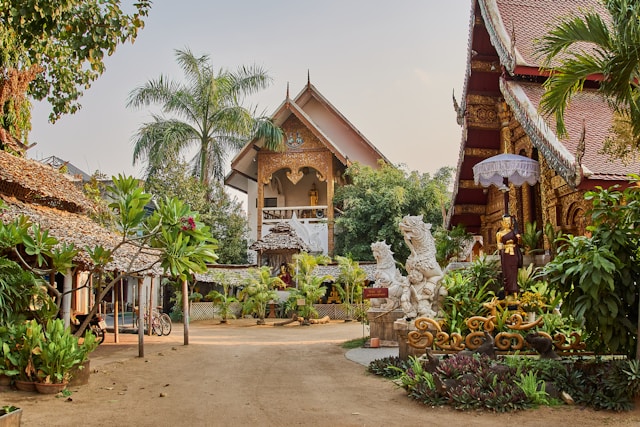
Chiang Mai: The Expat Capital of Northern Thailand
- Cost: Lowest of any major Thai expat hub
- Climate: Cooler than Bangkok, beautiful November-February season
- Community: Tens of thousands of long-term foreign residents
- Food scene: Exceptional, with both outstanding Thai food and a wide international dining scene
- Healthcare: Two excellent private hospitals
- Downside: Smoke season from February to April when agricultural burning creates air quality issues
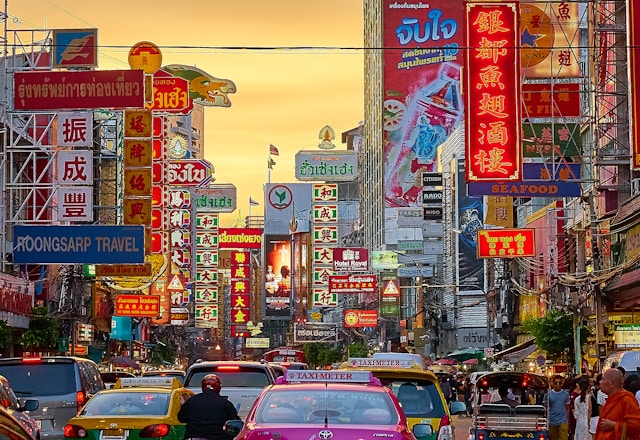
Bangkok: Urban Life at Southeast Asian Prices
- Cost: 20-30% higher than Chiang Mai
- Transport: BTS Skytrain and MRT make car-free living very practical
- Healthcare: Bumrungrad, Samitivej, Bangkok Hospital, all world-class
- Nightlife and dining: Extraordinary
- Downside: Traffic, pollution, and the heat is more intense than the north
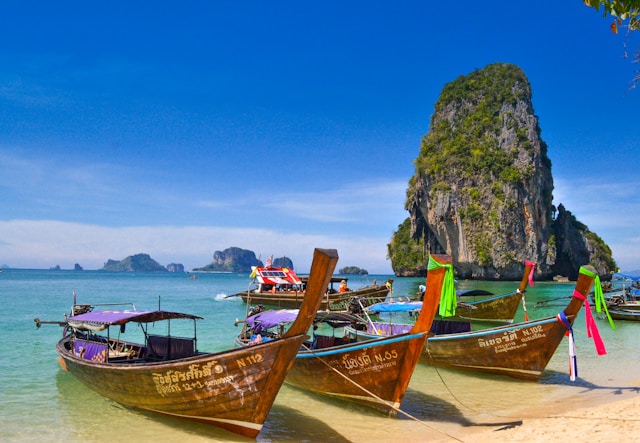
Coastal Options: Hua Hin, Koh Samui, Phuket
Getting Money to Thailand
Managing your finances as an expat in Thailand is straightforward once you have the right tools in place.
The most important tool is a way to transfer money internationally without losing a significant percentage to bank fees. Most traditional banks charge 3-5% on international transfers plus poor exchange rates.
Most expats maintain both a home country account and a Thai bank account. Bangkok Bank, Kasikorn Bank (KBank), and SCB are the most expat-friendly Thai banks with English-language services and modern mobile apps.
The LGBTQ Experience in Thailand
Thailand is one of the most LGBTQ-friendly countries in Asia and has been for decades. Bangkok’s Silom area is one of Asia’s great gay neighbourhoods. Chiang Mai has a vibrant, welcoming LGBTQ expat community that has grown significantly in recent years.
Thailand does not currently have legal same-sex marriage, though legislation has been progressing. In practical daily life however, LGBTQ expats in Thailand report feeling safe, accepted, and at home in a way that is simply not available in many parts of the world.
Is Thailand Right for You?
Thailand is probably right for you if:
- You want the most established expat infrastructure in Southeast Asia
- You value excellent healthcare within easy reach
- You want a large, active expat community
- You enjoy warm weather and outdoor living
- You want to stretch a modest retirement income into a comfortable life
- You are 50 or over and qualify for the retirement visa
You might consider another country if:
- You want to own land outright (foreigners cannot own land in Thailand, only condos or through structures)
- You want lower costs than Chiang Mai offers (Vietnam is cheaper)
- Visa bureaucracy frustrates you (Vietnam's e-visa and Vietnam's 90-day entry is simpler)
Ready to Take the Next Step?

Download the Free Guide

Book a Consultation